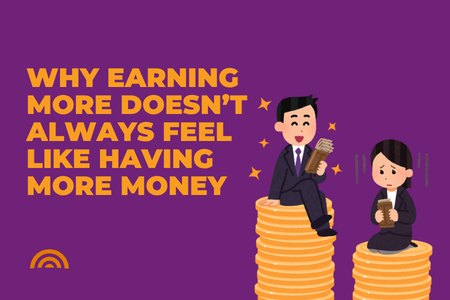
Earning more money can bring relief, make everyday costs easier to manage, open up choices that were harder to make before, and create flexibility in your budget.
The surprise comes when higher income leaves you wondering where the money went. Savings stay flat, debt doesn’t move much, and the month still feels tight, even though more money is coming in.
One reason is lifestyle creep. As income grows, regular spending can gradually grow with it. Takeout becomes more frequent. Subscriptions get upgraded. A nicer apartment becomes easier to justify. Travel, dinners out, rideshares, gifts, and convenience purchases start showing up more. These choices reset what feels normal.
What is Lifestyle Creep?
Lifestyle creep is the gradual rise in everyday spending that can happen as income increases. It starts with reasonable choices. A long week leads to more food delivery. A new job makes a higher rent payment seem manageable. A raise makes weekend plans easier to accept. A subscription renewal gets ignored because the amount seems small.
Each choice fits the budget at the time. When more of those choices become part of the regular routine, they begin to leave less room for savings, debt repayment, or future plans.
Lifestyle creep can be hard to notice because it builds through small upgrades that become part of everyday life.
Why Higher Income Can Disappear
Extra income changes how spending decisions get made. Purchases that once required more thought start to pass without much review. A bigger restaurant bill seems easier to absorb. Travel plans grow. Convenience purchases become more common. Social plans get harder to turn down because the budget no longer seems tight.
The issue is the combined effect. A few upgraded habits start to take up a large share of a raise before the money ever reaches savings or other priorities. Higher income creates choices. Without a plan, those choices turn into a more expensive routine.
Look for the New Normal
A useful first step is reviewing what changed after your income grew. Look for the places where spending expanded.
Reviewing your budget shouldn’t make you feel bad about spending. Instead, it should provide you with an understanding of which upgrades are adding value to your life, and which ones are mostly continuing out of habit.
A higher grocery bill may reflect rising prices. A higher restaurant bill may reflect a busy season with friends. A larger subscription total may include services you barely use. A higher rent payment may support the life you want, or it may be limiting progress in other areas.
Once the changes are visible, it becomes easier to decide what still deserves a place in the budget.
Choose the Upgrades Worth Keeping
More money should make life better. A budget doesn’t need to remove every dinner out, trip, subscription, or convenience currently making your life easier. Choose which upgrades are worth keeping rather than letting every category grow at the same time.
Keep the spending you use, value, and look forward to. Maybe it is the subscription you open every day, the monthly dinner with close friends, or the trip you have been planning for months. Then look for costs running on autopilot, such as unused memberships, frequent rideshares, extra takeout, or renewals you barely notice.
Your money works harder when your day-to-day spending leaves room for what you want next.
Give Part of the Increased Earnings a Job
Before a raise, bonus, or income increase blends into everyday spending, decide what part of it should support your priorities.
A portion could go toward emergency savings, debt repayment, a travel fund, education costs, a future move, car repairs, retirement savings, or another goal. The amount can be modest. The important part is making the decision to save where you can.
Automatic transfers help. Moving money to savings or debt repayment shortly after payday gives that money a purpose before it gets absorbed.
Watch Recurring Costs Closely
Recurring expenses make lifestyle creep harder to manage because they reduce flexibility every month.
A new app, subscription, membership, payment plan, financing agreement, or upgraded service may look small on its own. Several small recurring charges add up quickly once they join rent, groceries, transportation, insurance, debt payments, and other bills.
Before adding a new recurring cost, pause long enough to see how it fits with the rest of the budget. Annual renewals deserve the same attention. A charge that appears once a year still creates stress when it arrives without warning.
Make Higher Income Work Harder
Earning more should give you more than a higher cost of living. With a little awareness, higher income can support comfort while helping you build savings, reduce debt, and prepare for what comes next. Lifestyle creep becomes easier to manage when you can see where the money is going, choose which upgrades are worth keeping, and give part of every increase a clear purpose.
If your income has grown but your savings haven’t, Luminus can help you create a plan that lets you enjoy today while still building for tomorrow.