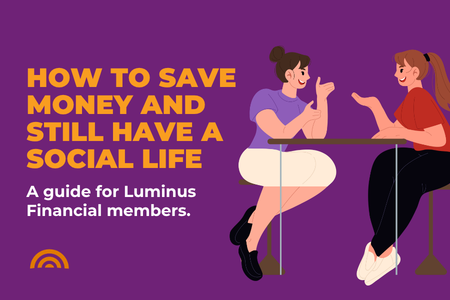
Having a social life gets expensive quickly. Dinner with friends, birthday plans, weddings, concerts, weekend trips, coffee dates, rideshares, gifts, and “just one drink” invitations sound manageable on their own. By the end of the month, the total looks very different.
You don’t have to stay home, miss out, or feel guilty every time someone asks you to go somewhere. Connection is important, but so is knowing how much room your budget has before every invitation turns into a yes.
Learning how to save money and still have a social life is possible. Start by making choices about where your money goes, which plans fit your budget, and when a lower-cost option would help you stay connected without adding stress.
Why social spending gets complicated
Social spending comes with the added pressure of friendship, dating, family expectations, work events, birthdays, milestones, and the fear of being left out. Saying no is awkward. Saying yes is easier, even when your budget is already stretched.
Small costs can be overlooked. A dinner out may lead to a rideshare home. A concert ticket may come with food, drinks, parking, or a new outfit. A wedding may include a gift, travel, accommodation, and time away from work.
By the time everything is added up, the plan costs much more than the first number you saw.
Choose the invitations you care about most
Give the invitation a little breathing room. Before you say yes, pause long enough to think about the full cost and your real level of interest. A birthday dinner for a close friend may be worth shifting money around. A random night out when you are already tired and over budget may not be.
Choosing carefully protects your money for the plans you truly enjoy.
Set a monthly amount for going out
A social-spending limit makes decisions easier. Choose an amount for the month that covers restaurants, drinks, tickets, gifts, rideshares, weekend plans, and other costs connected to going out. The number may change from month to month, especially around holidays, wedding season, birthdays, or travel.
Once you have a number, invitations become easier to weigh. If you have $200 set aside for the month and one dinner is likely to cost $80, you can decide whether that dinner is worth using a large part of the total.
A separate account or budget category allows you to see what is still available. When the money is visible, it becomes easier to notice when plans are starting to crowd out groceries, bills, savings, or other budgetary priorities.
Look at the full cost before saying yes
The cost you see first isn’t always the amount you spend. A $35 ticket can turn into a bigger night once you add transportation, food, and drinks. A weekend trip can grow beyond the shared rental cost when gas, meals, activities, and last-minute stops enter the picture. Even a birthday dinner can stretch past the menu price once tax, tip, a gift, and shared extras are added.
Try to estimate the whole plan before you commit. You don’t need an exact number. A rough range can help you decide if the invitation fits into your month.
Looking at the full cost ahead of time prevents frustration later. Money stress can show up after the plan is already underway, when it feels harder to change course.
Suggest lower-cost plans without making it awkward
You can still show up for people without agreeing to the most expensive version of every plan. If dinner is too much, suggest coffee, a walk, a movie night, a potluck, or drinks at someone’s place before going out. If a weekend trip is out of reach, ask whether you can join for one day instead. If a birthday plan is getting too expensive, choose the part you can afford and skip the rest.
A simple message can be enough:
“I’m keeping this month lighter, but I’d love to do coffee.”
“I can join for dinner, but I’ll skip drinks after.”
“I’m saving for a few bigger expenses right now. Could we do something low-key?”
Clear suggestions keep the connection while protecting your budget.
Say no earlier to avoid resentment later
Saying yes when you can’t comfortably afford it leads to resentment. You may feel annoyed at the cost, frustrated with the group, or guilty about spending money you planned to use somewhere else. The longer you wait, the harder the conversation becomes.
An honest answer gives friends time to adjust plans, split costs differently, or choose something more affordable.
The same applies to shared expenses. If one person is buying tickets, booking accommodations, or picking up groceries, talk about repayment before the money is spent. Group plans are easier when everyone knows the cost and how it will be handled.
Make room for the fun you want
Saving money should still leave room for a life you enjoy. Setting spending boundaries doesn’t require you to cut out every dinner, concert, trip, or celebration.
When you know your social-spending limit, you can plan for the birthday dinner, wedding weekend, concert, or night out you truly want to participate in. You can avoid losing money to plans you agreed to out of pressure, habit, or guilt.
Budget awareness ensures your money supports the life you’re building, instead of disappearing into every invitation that comes along.
Build a social life that fits your real budget
A full calendar can be fun, but it can also create pressure. Having a social life while saving money takes planning, boundaries, and the confidence to suggest alternatives. You can care about your friendships and your finances at the same time.
Start with a monthly amount for going out. Look at the full cost before saying yes. Choose the invitations you care about most. Offer lower-cost ideas when needed. Say no before the cost turns into stress.
Want more room in your budget for the things you enjoy? Get in touch with us about building a savings and spending plan that fits your real life.